THE FLEET
Nine still generating
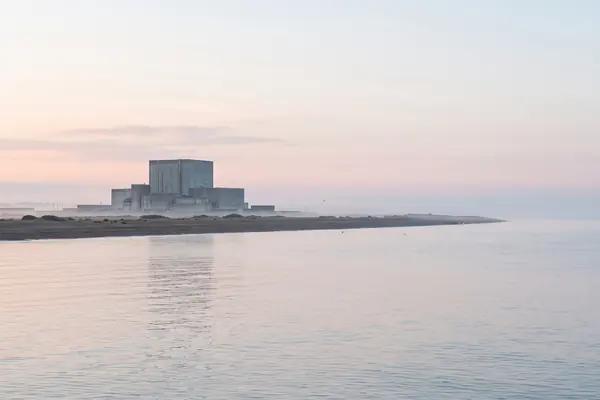
The UK government's 2026 safety report counts nine operating reactors: twin gas-cooled reactors at four sites and one pressurised water reactor at Sizewell B.
Meet the fleet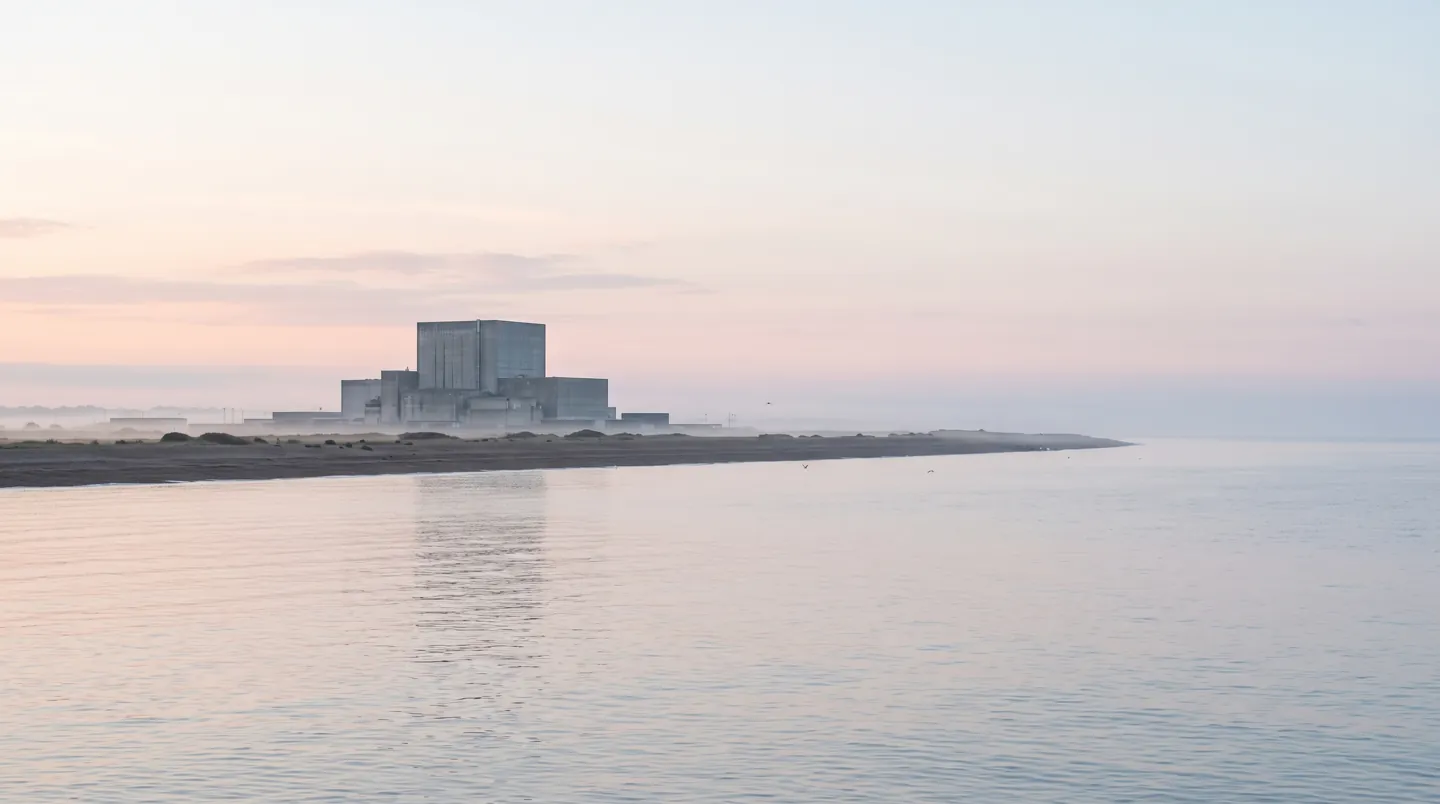
HOW IT WORKS
9 REACTORS still generating in the UK
AI-generated image, not a photograph of a real person or place.
A nuclear power station is, at heart, a very hot kettle.
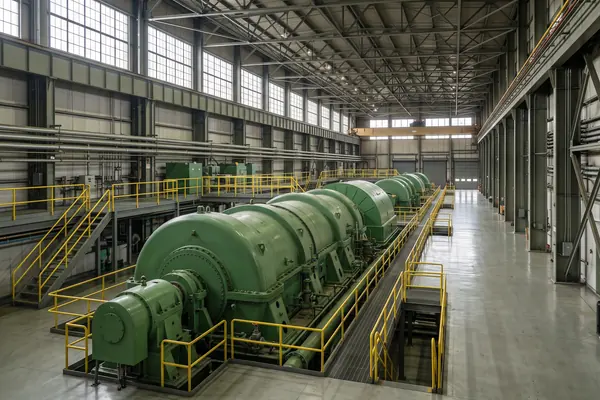
Splitting atoms gives off heat. That heat makes steam, the steam spins a turbine, and the turbine drives a generator. This independent guide explains the UK's reactors in plain English, from official energy statistics and the safety regulator's reports.
THE SHORT ANSWER
The reactor is new; the rest is a power station.
Three things worth knowing.
THE FLEET
The UK government's 2026 safety report counts nine operating reactors: twin gas-cooled reactors at four sites and one pressurised water reactor at Sizewell B.
Meet the fleetHOW IT WORKS
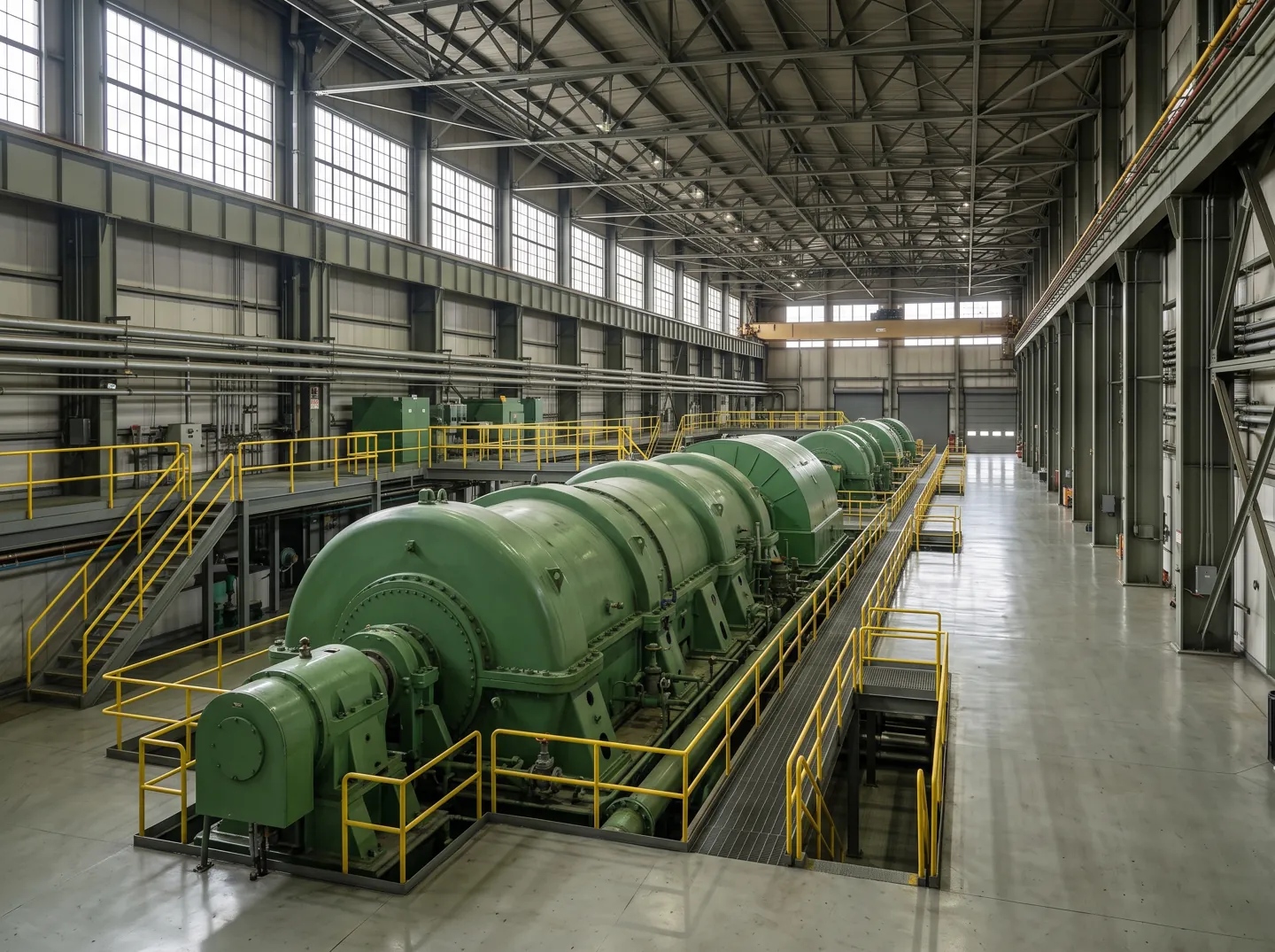
The US Energy Information Administration explains that reactors use heat from fission to make steam, which spins turbines that drive generators.
Step by stepTHE GRID
Nuclear made 12.2 per cent of UK electricity in 2025, down from 2024 because of outages at the remaining stations, DUKES says.
See the numbers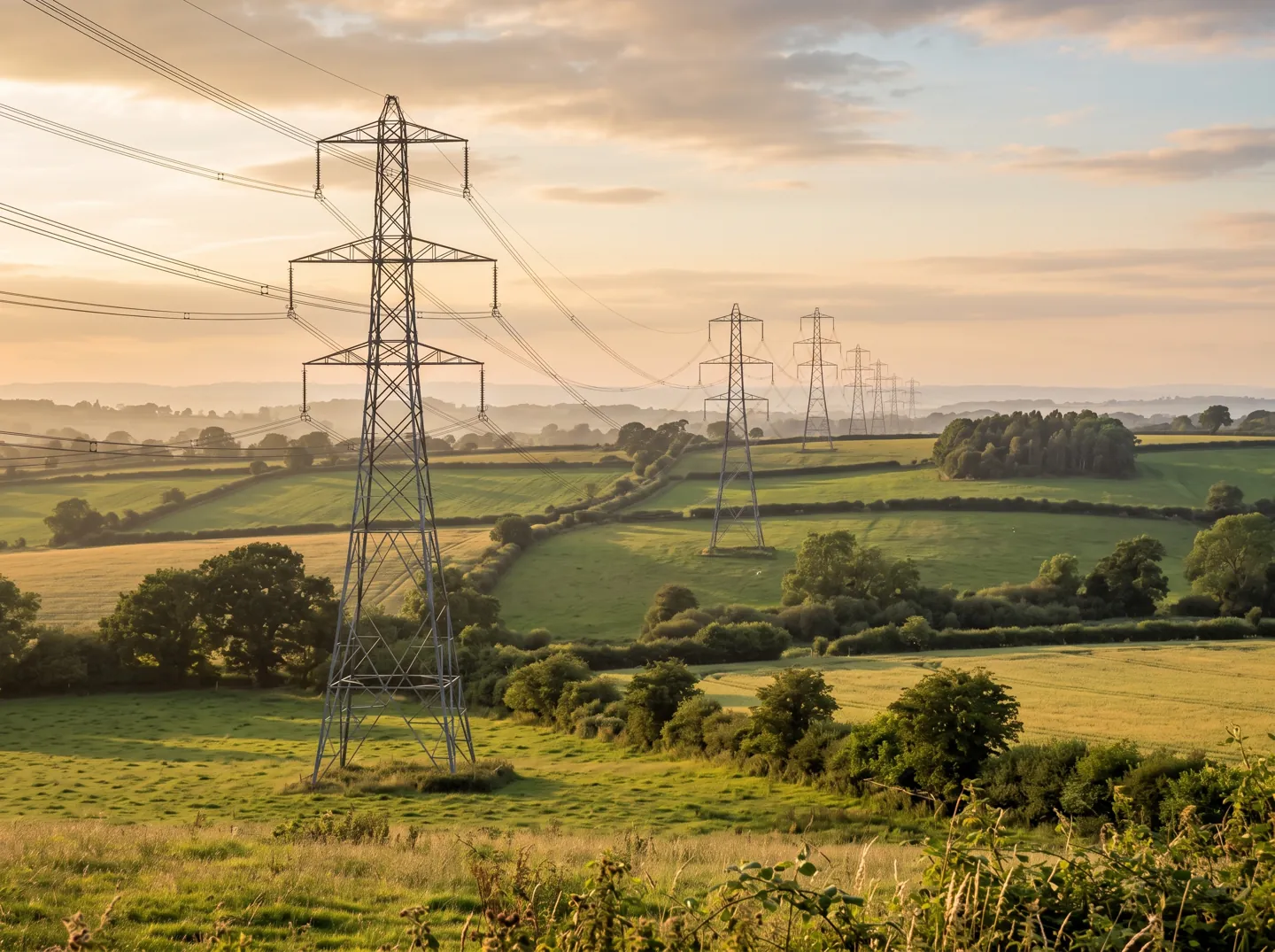
FROM ATOM TO SOCKET
Reactor designs differ, but the journey from fuel to electricity follows the same broad path, as the US Energy Information Administration and the UK safety report describe it.
In fission, a neutron strikes a large atom such as uranium and splits it, releasing energy and more neutrons that can keep a chain reaction going.
A coolant takes heat from the fuel. In the UK's AGRs it is carbon dioxide gas; in a pressurised water reactor like Sizewell B it is water.
The heat boils water into pressurised steam. In the AGRs the boilers sit inside the concrete reactor vessel.
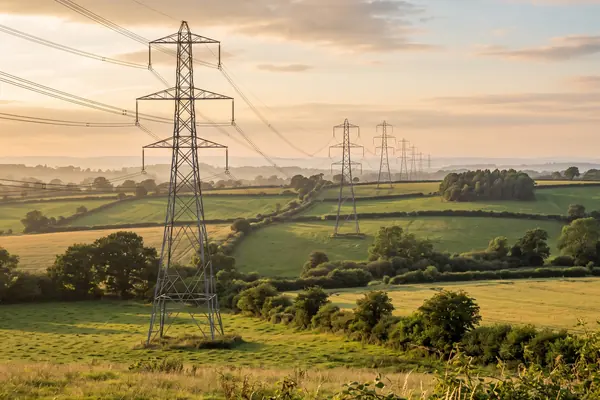
Steam spins large turbine blades that drive generators, and the electricity goes out to the grid.
TWO NUMBERS WORTH KNOWING
One figure for nuclear's share of UK electricity,
one for how hard the stations work.
12.2%
Nuclear share of UK generation, 2025
Nuclear generated 35.9 TWh in 2025, down 12 per cent on 2024 and the lowest since the 1980s, because of refuelling and maintenance outages.
SHARE · DUKES 2026
64.0%
Share of time producing, 2025
Load factors show how much of the time a plant is producing electricity. Among major power producers, nuclear stations had the highest load factor in 2025.
LOAD FACTOR · DUKES 2026
DUKES counts nuclear with renewables as low carbon generation: together they made 64.3 per cent of UK electricity in 2025, just below the 2024 record.
MEET THE FLEET
Pick a kind of UK reactor to see where it stands. The bar shows how much it is generating today: none, winding down, or running.
Based on the UK's Tenth National Report on the Convention on Nuclear Safety (DESNZ, 2026).
WHO KEEPS IT SAFE
The Office for Nuclear Regulation is the UK's independent statutory regulator for nuclear safety and civil nuclear security. Companies need a nuclear site licence from ONR to build and run a station, and the licence alone is not permission to start nuclear construction.
Licence holders carry the main legal responsibility for safety. The Environment Agency in England and SEPA in Scotland also regulate, and the UK reports on its nuclear safety to an international peer review under the Convention on Nuclear Safety.
In conversation
The UK's 2026 safety report counts nine operating reactors: twin AGRs at Hartlepool, Heysham 1, Heysham 2 and Torness, and a single PWR at Sizewell B. Three more twin-reactor AGR sites have stopped generating.
DUKES 2026 says nuclear made 12.2 per cent of UK electricity in 2025, down 2.0 percentage points on 2024 because of outages at the remaining stations.
Heat from splitting atoms is used to make steam. The steam spins turbines that drive magnetic generators to produce electricity, the US Energy Information Administration explains.
It stops generating, the fuel is removed (defuelling) and it moves towards decommissioning. Hunterston B was declared fuel-free in April 2025.
The Office for Nuclear Regulation, the UK's independent statutory regulator for nuclear safety, licenses and inspects them, alongside the Environment Agency and SEPA for environmental permits.
Each figure on this page comes from the sources below.
ABOUT THIS NAME
doodlenuke.com is part of the DoodleSale portfolio. It isn't in an auction right now, but you can ask about leasing it.